
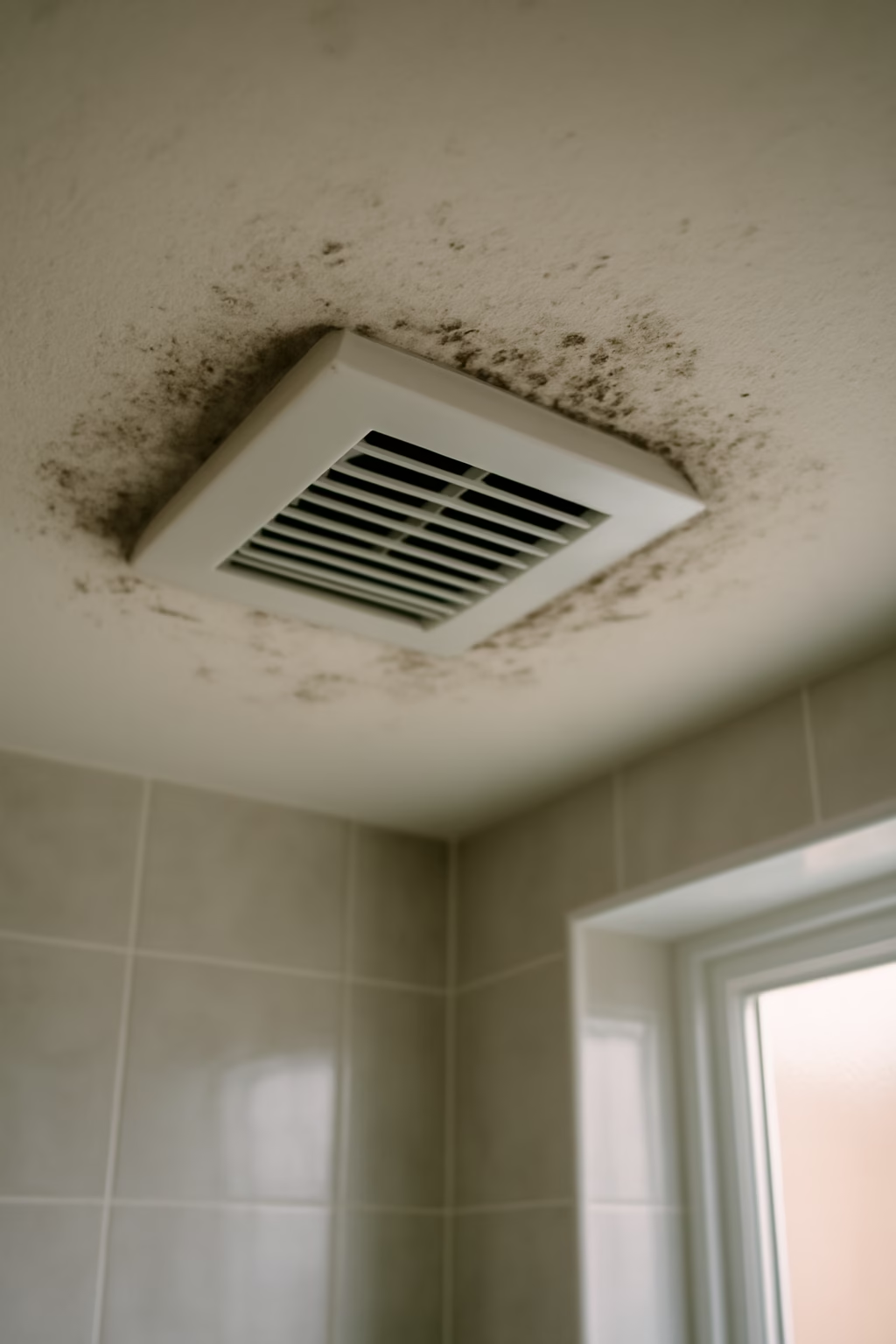
Mold vs Mildew on Your Bathroom Ceiling: What's the Difference?
That dark patch on your bathroom ceiling could be harmless mildew or a bigger mold problem hiding behind the paint. The difference matters: mildew usually wipes away with a surface clean, while mold can root into drywall, spread through the ceiling cavity, and trigger real health symptoms. This guide walks through the color, texture, smell, and surface clues that separate the two, plus a safe bleach test you can do right now. You'll also learn when a DIY cleanup is enough and when it's time to call a licensed mold remediation professional instead of scrubbing and hoping.
Mold vs mildew: at-a-glance identification
| Trait | Mildew (surface) | Mold (including black mold) |
|---|---|---|
| Color | Flat white, gray, or pale yellow patches | Fuzzy or slimy black, dark green, or brown spots |
| Texture | Powdery, flat, sits on top of the surface | Raised, fuzzy, velvety, or slimy to the touch |
| Smell | Mild musty or damp odor | Strong earthy, musty smell that intensifies with humidity |
| Spread pattern | Stays on the surface, wipes off with cleaner | Grows roots into drywall, grout, and paint; keeps returning |
| Health effect | Minor throat or eye irritation for sensitive people | Can trigger coughing, headaches, and respiratory symptoms, especially with black mold (Stachybotrys) |
How to identify what's on your ceiling
1. Look at color and pattern (mildew is flat and gray/white; mold is fuzzy and often black/green)
Action: Shine a flashlight across the ceiling at a low angle instead of straight on. This raking light shows whether the patch is flat (mildew) or raised and textured (mold).
Expected result: Mildew looks like a dusty gray or yellowish film, almost like it was sprinkled on. Mold looks three-dimensional — fuzzy edges, dark black or green clusters, sometimes with a slightly slimy sheen when the bathroom is damp.
DIY or pro: This is a safe DIY first step. No contact needed, just observation.
2. Do the bleach test — a quick, safe way to distinguish mildew from mold
Action: Mix a solution of 1 part bleach to 16 parts water. Dab a small amount on the stain with a cotton swab and wait 5 minutes.
Expected result: If the spot lightens noticeably or disappears, you're likely dealing with surface mildew. If it stays dark or only fades slightly, it's probably mold that has penetrated the material — bleach can't reach roots growing inside porous drywall or grout.
DIY or pro: Safe to try yourself in a ventilated bathroom. Note: the EPA does not recommend bleach as a primary remediation method on porous surfaces — it's a diagnostic test here, not a fix. See the mold remediation services page if the stain doesn't lighten.
3. The smell test — musty vs earthy odor and what each means
Action: Stand in the bathroom with the door closed for a few minutes, fan off, and note the odor. Compare it after running a hot shower.
Expected result: A faint musty smell that fades once you ventilate usually points to mildew. A strong, persistent earthy or 'basement' smell — especially one that gets stronger after showers and doesn't fade with airflow — suggests active mold growth, possibly in a spot you can't see yet.
DIY or pro: If you smell mold but can't find its source, that's a signal to call a pro for a moisture inspection rather than keep guessing.
4. Check the surface it's growing on (paint, drywall, grout, caulk)
Action: Identify exactly what material the growth is sitting on — painted drywall, exposed drywall, tile grout, or silicone caulk around a fan or vent.
Expected result: Mildew on painted surfaces usually stays cosmetic. Growth in grout lines or caulk often means mold, since these porous materials trap moisture and are notoriously hard to fully clean. Mold on unpainted drywall spreads fast because paper-faced gypsum board is a food source for mold spores.
DIY or pro: Painted surface mildew: DIY. Grout, caulk, or bare drywall mold: treat as higher risk and consider a professional assessment, especially if it recurs.
5. Signs it has spread behind the drywall or into the ceiling cavity
Action: Press gently on the ceiling around the stain (wear gloves) and look for bubbling paint, sagging texture, or soft, spongy drywall.
Expected result: Firm, dry drywall with a surface stain is a good sign. Soft spots, bulging paint, brownish rings expanding outward, or a stain that keeps reappearing after cleaning all suggest moisture and mold are active inside the ceiling cavity, not just on top of it.
DIY or pro: Any softness or bulging means stop cleaning and call a professional. This often overlaps with a water damage restoration issue from a leaking pipe or roof above.
6. Health symptoms that suggest it's more than just cosmetic mildew
Action: Track whether household members experience headaches, nasal congestion, coughing, sore throat, or eye/skin irritation that improves when they leave the house.
Expected result: Mild, occasional irritation can happen with ordinary mildew exposure. Persistent respiratory symptoms, worsening asthma, or symptoms that clear up on vacation and return at home point toward a larger mold issue that needs professional evaluation, not just a cleaning wipe-down.
DIY or pro: Symptomatic households, especially with young children, elderly residents, or anyone immunocompromised, should bring in a licensed mold remediation professional rather than DIY.
7. When you can safely clean it yourself (and how to do it right)
Action: If the affected area is small (under roughly 10 square feet, per EPA guidance), surface-level, and on a non-porous painted surface, clean it with a commercial mold/mildew cleaner or a 1:16 bleach solution. Wear gloves, an N95 mask, and open a window or run the exhaust fan.
Expected result: The stain should lift fully within one or two cleaning passes and not return within a few weeks, provided the humidity source (poor ventilation, leaky fixture) is also fixed.
DIY or pro: DIY-appropriate for small, surface mildew patches. Always address the underlying moisture problem — cleaning the stain without fixing ventilation just invites it back.
8. When to stop and call a licensed mold remediation professional
Action: Call a professional if the area is larger than about 10 square feet, keeps returning after cleaning, is on drywall/grout/caulk rather than paint, or if you've noticed soft ceiling material, a persistent earthy smell, or health symptoms in the household.
Expected result: A professional will inspect for hidden moisture, test air quality if needed, and remove contaminated material safely — not just wipe the surface. See mold remediation services for what that process involves.
DIY or pro: Pro job. This is not a scrub-and-hope situation once mold has spread into building materials.
9. What mold remediation typically costs (bathroom vs whole ceiling vs behind drywall)
Action: Get a written scope from a remediation contractor that separates containment, removal, and repair costs, especially if drywall needs to be cut out.
Expected result: Small bathroom ceiling patches typically run ~$150-$450 for containment and cleaning. Larger ceiling sections with drywall removal run higher, and mold found behind walls or in the ceiling cavity adds demolition, disposal, and rebuild costs. Full pricing breakdowns are in the mold remediation cost guide.
DIY or pro: Get at least two written quotes before hiring, and confirm the contractor follows EPA mold remediation guidelines.
How much does bathroom mold remediation actually cost?
Costs vary a lot depending on whether mold is confined to the ceiling surface or has spread behind drywall. A simple surface clean can run a few hundred dollars, while removal, containment, and rebuild after a hidden leak can climb into the thousands. Compare the full cost breakdown before you call for quotes.
Frequently asked questions
Is black mold on a bathroom ceiling always dangerous?
Not always, but black staining should never be ignored. It could be surface mildew that looks dark due to dirt and moisture, or it could be true mold, including toxin-producing species like Stachybotrys chartarum. The bleach test and smell test in this guide help you narrow it down, but a professional test is the only way to confirm species.
Why does mold keep coming back after I clean it?
If you're only wiping the surface, you're likely leaving mold roots inside porous grout, caulk, or drywall paper. Recurring mold almost always means an unresolved moisture source — poor bathroom ventilation, a leaking fixture, or condensation buildup — that needs fixing alongside the cleanup.
What's the difference between mold vs mildew smell?
Mildew tends to smell faintly musty and damp, similar to a wet towel left too long. Mold smells stronger and more earthy, closer to a damp basement or rotting wood, and the smell often persists even after you clean visible staining, which suggests hidden growth.
Can I paint over mold or mildew on a ceiling instead of removing it?
No. Painting over active mold traps moisture and spores under the new coat, and the stain typically bleeds through within weeks. The surface needs to be fully cleaned and dried, and any underlying moisture problem fixed, before repainting.
How big does a mold patch need to be before I call a professional?
The EPA generally suggests that mold covering more than about 10 square feet — roughly a 3x3 foot area — is best handled by a remediation professional rather than DIY cleaning, due to the risk of spreading spores during removal.