
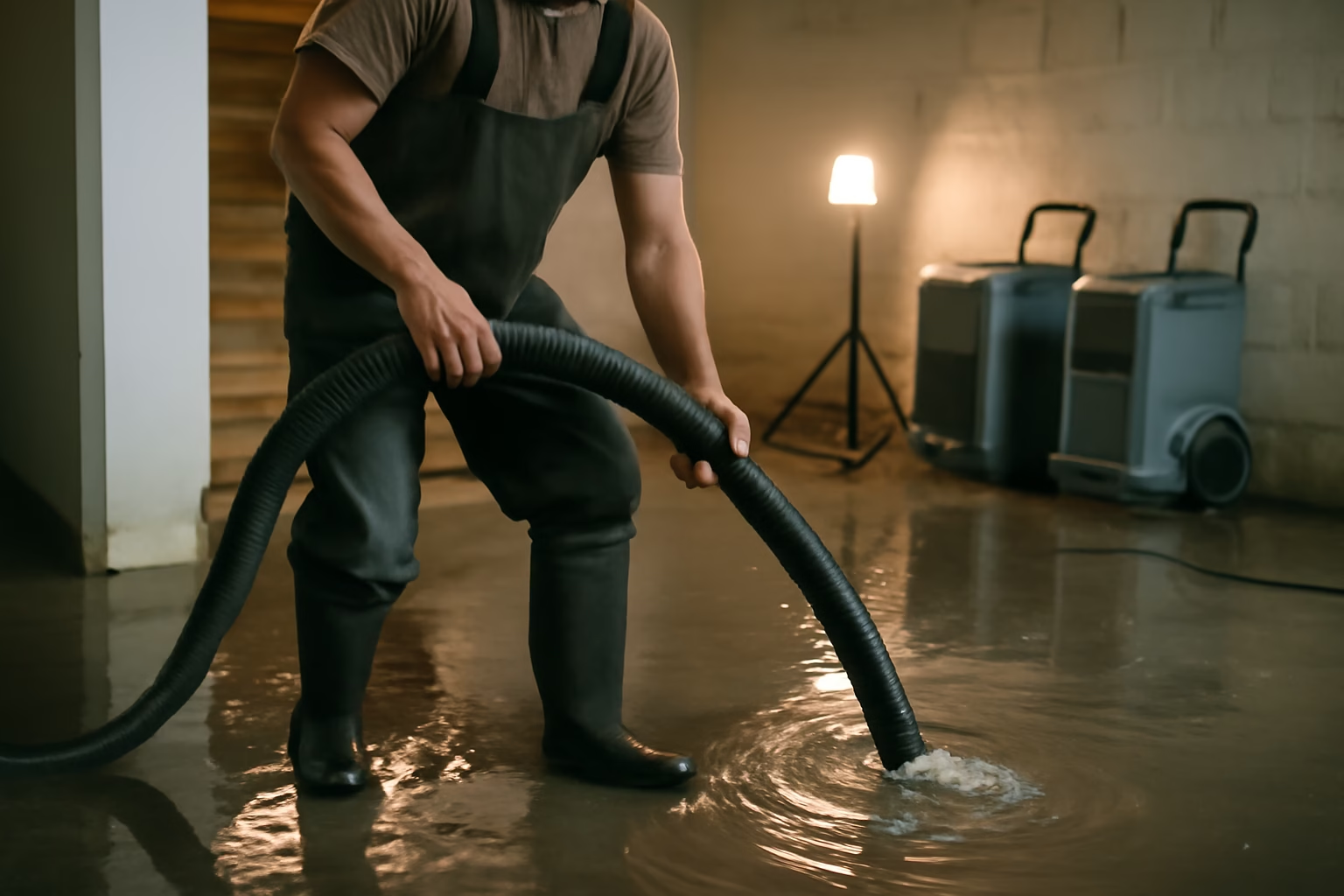
Water Damage Restoration Cost in 2026: What Homeowners Actually Pay
A flooded basement or a burst pipe upstairs turns into a math problem fast: how much is this going to cost, and will insurance cover it? Prices swing wildly because water damage restoration cost depends on water category, square footage, and how fast you act. A small clean-water leak dried same-day might run a few hundred dollars. A sewage backup that sits for two days can hit five figures once mold remediation gets added in. This guide breaks down real 2026 pricing by scenario, source, and urgency so you know what a fair quote looks like before you sign anything.
⚠ Stop and Call a Professional Immediately If You See This
Some situations aren't safe to handle yourself, even briefly. Shut off power and water if possible, then call a licensed professional right away if you notice:
- Standing water near outlets, switches, or the electrical panel
- A burning smell or visible sparking
- Sewage odor or backup from drains
- Water pouring from the ceiling or light fixtures
- Sagging ceilings, bulging walls, or a hissing gas smell
Water damage restoration cost overview by scenario
| Scenario | Typical price range | Notes |
|---|---|---|
| Small clean-water leak (under 100 sq ft) | $150 – $700 | Fast response within hours; no drywall replacement needed. |
| Basement flooding cleanup (500–1,000 sq ft) | $2,000 – $7,500 | Includes extraction, drying equipment, and minor drywall repair. |
| Whole-house flood (2,500+ sq ft) | $15,000 – $50,000+ | Structural drying, full drywall/flooring replacement, possible temporary relocation. |
| Sewage backup / black water damage | $3,000 – $8,500 | Biohazard cleanup, contaminated material disposal, antimicrobial treatment required. |
| Emergency/same-day extraction (any size) | +$150 – $500 above standard rate | After-hours or weekend response fee added on top of base restoration cost. |
Water damage restoration cost breakdown
1. National average water damage restoration cost (low / typical / high)
Most homeowners pay between $1,300 and $5,600 for a typical water damage restoration job, according to industry claims data. But the range is wide:
- Low end ($150–$700): A small clean-water spill caught within hours, dried with fans, no material replacement.
- Typical ($1,300–$5,600): A contained leak or partial basement flood needing extraction, drying equipment, and some drywall or flooring repair.
- High end ($10,000–$50,000+): Whole-house flooding, sewage contamination, or water damage left undried long enough to cause structural or mold damage.
Expect $3.75–$8.50 per square foot depending on water category — the single biggest cost driver.
2. Cost by water category (clean water, gray water, black/sewage water)
Restoration companies price by contamination level, following the IICRC S500 water damage standard:
- Category 1 — Clean water (supply line, rainwater): $3.75–$4.50/sq ft. Lowest risk, fastest turnaround.
- Category 2 — Gray water (washing machine overflow, dishwasher discharge): $4.50–$6.50/sq ft. Requires disinfection, not just drying.
- Category 3 — Black/sewage water (sewage backup, floodwater, groundwater): $6.50–$8.50/sq ft plus $500–$3,000 in biohazard disposal and PPE fees.
Water sitting for more than 24–48 hours often gets reclassified upward, which is why fast response matters more than shopping for the cheapest quote.
3. Cost by affected area size (small room vs whole basement vs whole house)
Square footage is the second-biggest pricing lever after water category:
- Small room (under 200 sq ft): $500–$1,500
- Whole basement (1,000 sq ft): $3,000–$8,000, more if finished with carpet, drywall, and a dropped ceiling
- Whole house (2,500+ sq ft): $15,000–$50,000+, especially if water traveled through multiple floors
Get an exact per-square-foot quote in writing before work starts — vague "final bill" estimates are a red flag.
4. Water extraction and drying equipment cost (pumps, dehumidifiers, air movers)
Equipment is usually bundled into the restoration invoice, not itemized separately, but here's what it costs if priced as rentals:
- Submersible pump: $75–$200/day
- Air movers (need 3–6 per room): $35–$75/day each
- Commercial dehumidifier: $100–$200/day
A typical basement drying job runs equipment for 3–5 days, adding up to $1,500–$4,500 when bundled into a professional restoration package. Renting your own gear only makes sense for small, clean-water jobs — see the DIY section below.
5. Basement flooding cleanup cost specifically
Basement flooding cleanup cost runs $3–$8.50 per square foot depending on source and water category. A sump pump failure with clean groundwater sits at the low end; a storm surge carrying sediment and sewage sits at the high end. Depth matters too — 6 inches of standing water for a weekend costs far more to remediate than a puddle caught same-day.
If you're dealing with water right now, start with basement flooded — what to do first before calling anyone. If you need a crew tonight, see emergency basement flooding cleanup.
6. Cost by source (burst pipe, storm flooding, appliance leak, sewage backup)
| Source | Typical cost |
|---|---|
| Burst supply pipe (clean water) | $2,000–$7,000 |
| Storm/flood water (often gray or black) | $3,000–$10,000+ |
| Appliance leak (washer, water heater, fridge) | $1,000–$4,000 |
| Sewage backup | $3,000–$8,500 |
Storm and groundwater flooding often isn't covered by a standard homeowners policy — see the insurance section below before you assume it's paid for.
7. Drywall, flooring, and insulation replacement cost after water damage
Once extraction and drying are done, material replacement adds up fast:
- Drywall: $1.50–$3.50/sq ft, including cut-out and refinishing
- Carpet: $2–$5/sq ft (pad usually must be replaced entirely)
- Hardwood flooring: $6–$12/sq ft
- Tile: $5–$10/sq ft
- Wet insulation: $1–$3/sq ft — always replace, never dry and reuse
Wet drywall and insulation left in place past 48 hours become a mold risk. If you're already seeing discoloration or smell, check the mold remediation cost guide before budgeting repairs.
8. Emergency or same-day water damage restoration cost
Emergency water damage cleanup cost runs $150–$500 higher than a scheduled next-day appointment, and after-hours or weekend calls often carry a 25–50% premium on labor. A typical emergency mitigation visit — extraction plus equipment setup, before any repairs — averages $500–$1,500.
It's worth paying the premium: every extra hour of standing water increases material replacement cost and mold risk. If you're flooding right now, go to emergency basement flooding cleanup for immediate next steps.
9. Mold risk and remediation cost if water damage isn't dried out fast enough
The EPA's guidance is blunt: mold can begin growing within 24–48 hours on wet drywall, wood, or carpet padding. Miss that window and your water damage job turns into a mold remediation job — typically $1,500–$7,500 on top of restoration costs, more if mold spreads into HVAC ductwork.
Full pricing breakdown, testing costs, and containment details are in the mold remediation cost guide.
10. Does homeowners insurance cover water damage restoration?
Depends entirely on the source:
- Usually covered: Sudden, accidental damage — a burst pipe, a failed water heater, an appliance hose that ruptures overnight.
- Usually NOT covered: Flood water from storms, groundwater seepage, or rising rivers — this requires separate flood insurance through the NFIP, not a standard homeowners policy.
- Often denied: Gradual leaks, long-term seepage, or damage from neglected maintenance (the insurer will argue you should have caught it sooner).
Photograph everything before cleanup starts and call your insurer within 24–48 hours — delayed claims get scrutinized harder.
11. DIY water cleanup vs professional restoration — when DIY isn't enough
| Situation | DIY okay? |
|---|---|
| Clean water, under 10 sq ft, dried within hours | Yes — shop-vac, fans, and a dehumidifier are fine |
| Water touched electrical outlets or panel | No — call a licensed electrician and restoration pro |
| Category 2 or 3 water (gray/black) | No — contamination and health risk require professional PPE and disposal |
| Water sat more than 24 hours or is behind walls | No — hidden moisture needs moisture meters and professional drying |
| Affected area over 100 sq ft | Get at least one professional quote |
When in doubt, get eyes on it — browse local water damage restoration specialists for a same-day assessment.
12. Questions to ask a water damage restoration company before hiring
Ask these before signing anything:
- Are your technicians IICRC certified for water damage restoration?
- Will you provide moisture readings and documentation for my insurance claim?
- Is the estimate itemized by square footage and water category, or a flat "final bill" guess?
- Do you bill insurance directly, or do I pay upfront and file for reimbursement?
- What's your guarantee against mold recurrence after drying is complete?
- Are you licensed and insured in this state, and can I see proof?
A company that won't answer these clearly in writing is a company to skip.
Frequently asked questions
How much does water damage restoration cost per square foot?
Between $3.75 and $8.50 per square foot, depending on water category. Clean water sits at the low end; sewage or black water sits at the high end due to disinfection and disposal requirements.
Will insurance pay for water damage restoration?
Often yes for sudden, accidental damage like a burst pipe. Storm and groundwater flooding usually requires separate flood insurance through the NFIP — check your policy's exclusions before assuming coverage.
What's the average cost to dry out a flooded basement?
Typically $2,000–$7,500 for a 500–1,000 sq ft basement, covering extraction, air movers, dehumidifiers, and minor repairs. Larger or more contaminated floods run higher.
How fast do I need to dry out water damage to avoid mold?
Within 24–48 hours, per EPA guidance. Beyond that window, mold growth risk rises sharply and you may need a separate mold remediation budget.
Is emergency same-day water extraction worth the extra cost?
Usually yes. The $150–$500 emergency fee is small compared to the cost of mold remediation or structural repair caused by water sitting an extra day or two.
How do I know if my water damage is category 1, 2, or 3?
Category 1 is clean (supply line, rain). Category 2 is gray (appliance discharge). Category 3 is contaminated (sewage, floodwater, groundwater). A restoration technician can confirm on-site with testing.